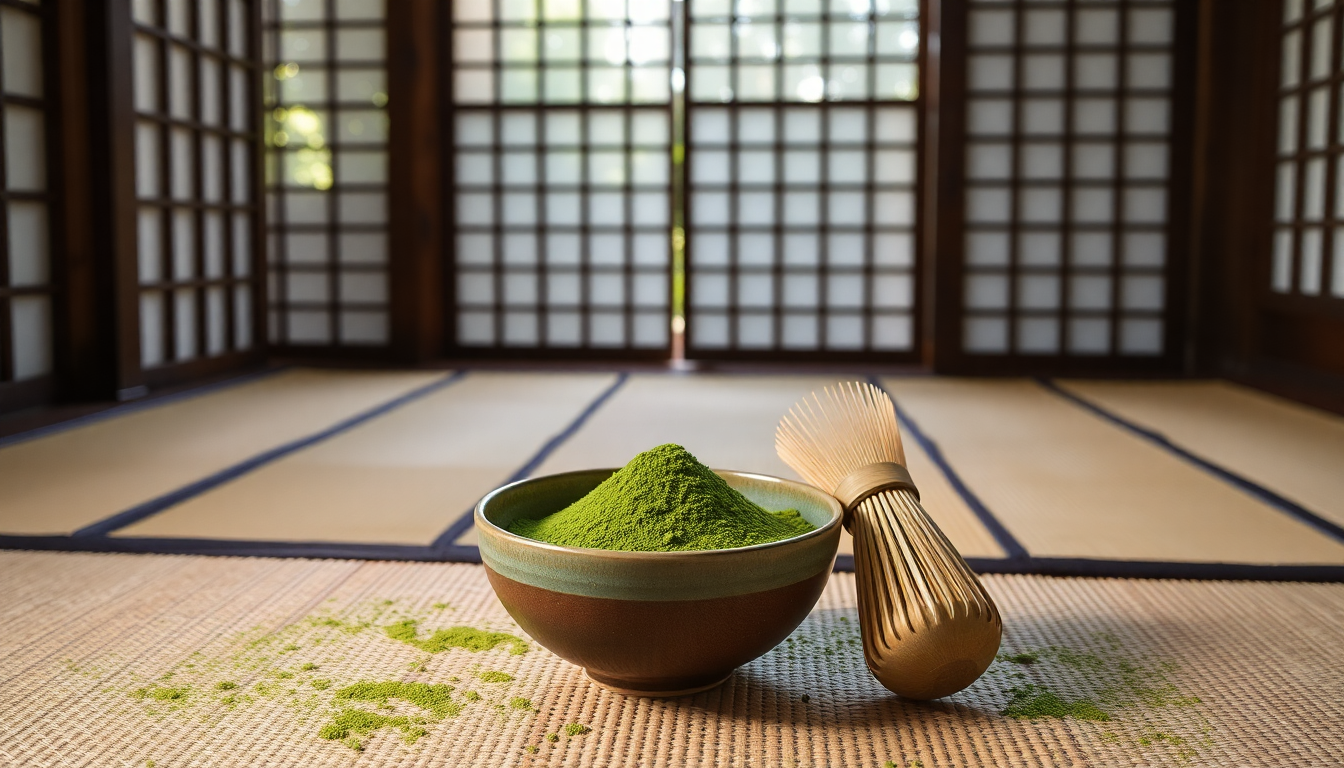
Matcha is a unique and potent green tea that originated in Japan. Unlike traditional green tea, where the leaves are steeped, matcha is made by grinding the whole leaves into a powder. This results in a drink packed with antioxidants, energy, and an intense, umami-like flavor.
For many, matcha is a mysterious drink that seems difficult to prepare. But with the right techniques and tools, anyone can enjoy a delicious, authentic matcha experience at home. In this comprehensive guide, we'll take you step by step through the entire process—from choosing the right matcha to frothing it perfectly. Let's get started!
Why prepare matcha at home?
There are several reasons why it's worth making your own matcha instead of buying it ready-made:
Freshness and quality
When you prepare your own matcha, you're guaranteed a fresh, high-quality product. Many prepackaged matchas have been sitting on store shelves for months, potentially losing valuable aromas and nutrients. By grinding your own tea, you preserve its full flavor and potency.
Control over the preparation
By preparing your own matcha, you have complete control over the process. You can adjust the water temperature, quantities, and techniques precisely to your personal taste preferences. This way, you create a matcha that's perfectly suited to you every time.
Saving on costs
Although matcha powder may seem more expensive than traditional green tea at first glance, it's much more cost-effective to prepare it yourself in the long run. The investment in the necessary tools quickly pays for itself.
Authentic experience
By preparing your own matcha, you create a unique, traditional Japanese tea experience in your own home. The ritual of sifting, whisking, and serving the matcha is a meditative practice that brings you closer to the origins of this special tea.
Ingredients for making matcha
To make matcha at home, you'll need a few essential tools. Let's go through them:
Essential tools
- Matcha bowl (chawan) : A special, round bowl in which you prepare the matcha. This often has a beautiful, traditional appearance.
- Matcha brush (chasen) : A bamboo brush that allows you to perfectly froth the matcha into a creamy, foamy texture.
- Matcha spoon (chashaku) : A wooden or bamboo spoon that allows you to measure the correct amount of matcha powder.
Optional accessories
- Matcha sieve : A fine sieve to remove lumps from the powder for a smooth, even texture.
- Electric matcha whisk : A modern alternative to the traditional bamboo brush that makes frothing easier.
- Matcha Milk Frother : Handy for making matcha lattes with a creamy, frothy topping.
- Matcha Holder : A special, airtight storage container to keep your matcha powder fresh.
With these basic ingredients and tools, you can start making delicious, authentic matcha at home.
Quality of matcha
Not all matcha is created equal. There are different grades, each with its own unique characteristics and uses. Let's take a look at the key differences:
Different grades of matcha
- Ceremonial grade : The highest quality matcha, specially grown and processed for traditional Japanese tea ceremonies. It has a very delicate, sweet flavor.
- Premium grade : An excellent quality matcha, with an intense, umami-like flavor. Ideal for drinking matcha on its own.
- Culinary grade : A slightly coarser, more potent matcha, which is well suited for adding to dishes and drinks such as smoothies or pastries.
How to choose the best matcha?
When choosing matcha, it is important to consider the following factors:
- Origin : Matcha from the Uji region of Japan is considered the finest quality.
- Color : The darker and deeper green the matcha, the higher the quality.
- Smell : A fresh, sweet scent indicates a fresh, high-quality matcha.
- Price : Generally speaking, the higher the price, the better the quality.
Take your time to try different brands and grades until you find your personal favorite.
Step-by-step preparation of matcha
Ready to get started? Follow these steps for perfect matcha preparation:
Preparing water
- Use fresh, filtered water at a temperature between 70-80°C. Don't boil the water too long, as this will cause it to lose vital oxygen.
- Let the water cool to the correct temperature before using it.
Matcha seven
- Use a fine-mesh sieve to remove any lumps from the matcha powder. This will ensure a smooth, even texture.
- Shake or tap the sieve gently to allow the powder to fall through.
Correct proportions
- Take about 2 to 3 teaspoons (2-3 grams) of matcha powder per cup (approx. 80ml).
- Slowly add hot water in a spiral motion until you have the desired amount.
Beating the matcha
- Use the bamboo brush (or electric whisk) to vigorously whisk the matcha into a creamy, frothy texture.
- Beat in a "W" motion, back and forth, until a nice green foam forms.
Serve
- Pour the matcha directly into your beautiful matcha bowl.
- Enjoy the intense, umami-like flavour and the beautiful emerald green colour.
Variations in matcha preparation
Matcha is a versatile tea that lends itself to numerous creative uses. Let's take a look at a few popular variations:
Cold matcha
For a refreshing summer treat, you can also serve matcha cold. Prepare the tea as above, but add ice cubes or pour it over ice. Optionally, you can also mix the matcha with milk or plant-based milk for a creamy, refreshing drink.
Matcha latte
Make a delicious, creamy matcha latte by mixing prepared matcha with warm, frothed milk. For an extra frothy topping, use a matcha milk frother.
Culinary applications
Matcha isn't just delicious to drink; it can also be added to all sorts of dishes and desserts. Think matcha muffins, cheesecake, ice cream, or smoothies. Its intense flavor and color add a unique twist to your favorite recipes.
Health benefits of matcha
Besides its delicious taste, matcha also has numerous health benefits that make drinking it extra appealing:
Antioxidants
Matcha contains exceptionally high levels of antioxidants, such as EGCG. These help neutralize free radicals in the body and protect against cell damage.
Energy and focus
The combination of caffeine and L-theanine in matcha provides a long-lasting, steady energy boost, without the usual "peaks and valleys" of coffee. It also improves your concentration and mental focus.
Other benefits
Matcha is also linked to improved metabolism, a healthier immune system, and even a lower risk of certain diseases. It's a true superfood!
Common Mistakes and How to Avoid Them
As with any skill, there's a learning curve when preparing matcha. Here are some common mistakes and tips to avoid them:
- Water that's too hot : Water that's too hot (above 80°C) can make the matcha bitter and astringent. Always let the water cool down.
- Insufficient frothing : If you don't whisk the matcha thoroughly, you'll end up with a thin, watery tea without the typical creamy texture. Take your time to whisk properly.
- Incorrect proportions : Too much or too little matcha powder to water can affect the flavor and consistency. Experiment until you find the perfect balance.
- Not sifting : Not sifting the matcha powder will result in lumps and an irregular texture. Always take the time to pass the powder through a fine-mesh sieve.
- Incorrect storage : Matcha is sensitive to light, air, and moisture. Store the powder in an airtight, dark container to prevent deterioration.
With a little practice and attention to detail, you'll soon master the perfect matcha recipe!
Matcha etiquette and culture
Matcha is closely linked to the traditional Japanese tea ceremony, or "chanoyu." While you can certainly enjoy matcha at home in your own way, it's also helpful to familiarize yourself with the associated etiquette and cultural aspects:
- Serving Order : Traditionally, matcha is served to the host/hostess first, then to the other guests.
- How to hold : The bowl is held with both hands, with the thumbs resting on top.
- Drinking position : Take small, slow sips and savor each sip. Don't let any drops remain on your lips.
- Complimenting : It is customary to compliment the host/hostess on the quality of the matcha.
- Silence and attention : When drinking matcha, it is customary to enjoy it in silence and with full attention.
By observing these small rituals and etiquette rules, you can create an authentic, meditative tea experience, even in your own home.
Conclusion
Matcha is much more than "just" a cup of tea. It's a unique, powerful drink packed with health benefits, and it offers a wonderful, traditional Japanese tea experience.
By making your own matcha, you can enjoy the very best quality, completely tailored to your personal taste. With the right tools and techniques, it's a simple yet incredibly satisfying process.
Be inspired by the rich culture and history of matcha and discover its many creative uses. Whether you enjoy a cup of matcha for extra energy and focus, or as part of a meditative ritual, it's sure to bring a smile to your face.
So what are you waiting for? Get started and discover the magic of PURE ZENZU matcha, straight from your own kitchen!